4,355+ Five-Star ReviewsComparison GuideSanta Fe Springs, CA

DTG vs DTF Printing: Complete Comparison

DTG and DTF are both digital printing methods that produce full-color prints in small runs — DTG from a single piece, DTF from just 12. But they work differently and excel in different situations. This guide explains the key differences so you can choose the right method for your custom apparel.

Trusted by the world’s best brands

DisneyGoogleSpotifyUFCRed BullSonyWarner BrosNickelodeonFoxBETLA RamsAudibleGettyPlayboyASUSNeweggFrito-LayPBRTuro88risingBoys & Girls ClubF45

At a Glance

DTG vs DTF: Quick Comparison

Both methods are digital and full-color, but the way ink gets onto your garment is fundamentally different.

DTG Printing DTF Printing
How It WorksInk sprayed directly onto fabricInk printed on film, then heat-transferred
Fabric CompatibilityCotton & high-cotton blends onlyAny fabric (cotton, polyester, nylon, blends)
Minimum OrderNo minimum (1+)12 pieces
ColorsUnlimited (full CMYK)Unlimited (full CMYK)
Print FeelVery soft (ink absorbed into fibers)Slight film feel (transfer layer)
DurabilityVery good (30-50 washes)Excellent (50+ washes)
Vibrancy on DarksGood (white underbase required)Excellent (white layer built into film)
Setup FeeNoneNone

Best Scenarios

When to Choose DTG

DTG is the established standard for digital garment printing on cotton. Choose it when:

You are printing on 100% cotton or high-cotton blends
Soft hand feel is the top priority (retail, fashion)
You want the ink to become part of the fabric, not sit on top
You are printing light-colored garments (white, heather)
You need a proven method with an established track record

Learn more about DTG printing

Best Scenarios

When to Choose DTF

DTF is the newer, more versatile method that works on virtually any fabric. Choose it when:

You need to print on polyester, nylon, or performance fabrics
Maximum color vibrancy on dark garments is important
You want the most durable print that resists cracking and fading
Your order includes mixed fabric types (cotton + poly in one run)
You want lower per-piece cost for small to medium runs

Learn more about DTF printing

Behind the Scenes

How DTG and DTF Printing Work

Understanding the process helps you appreciate why each method has different strengths.

DTG Process

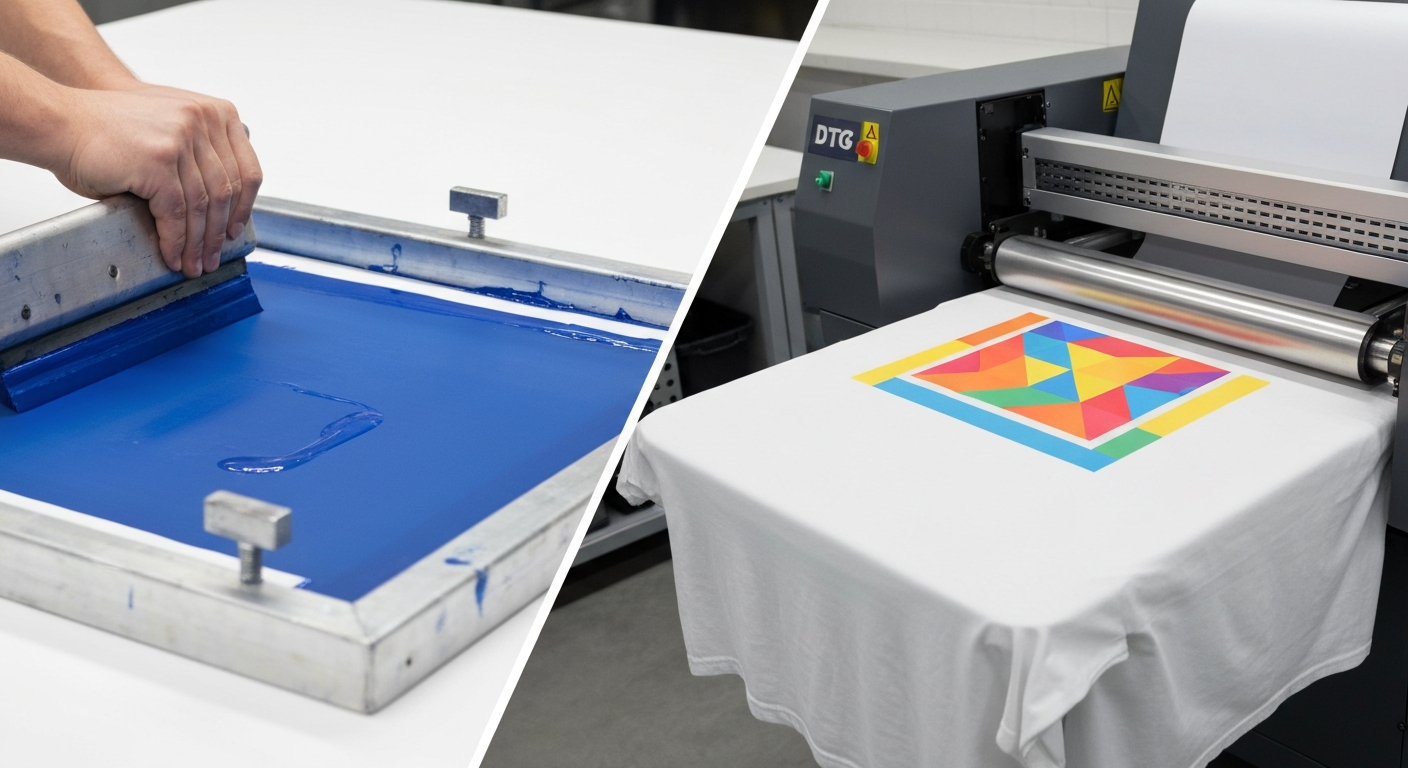
  1. 1Garment is pretreated with a bonding solution
  2. 2Placed flat on the DTG printer platen
  3. 3Inkjet heads spray CMYK + white ink directly onto fabric
  4. 4Heat-cured at 330F to bond ink with fibers
  5. 5Result: soft, detailed print absorbed into the fabric

DTF Process

  1. 1Design is printed on a special PET film with CMYK + white ink
  2. 2Hot-melt adhesive powder is applied to the wet ink
  3. 3Film is cured in an oven to melt the adhesive
  4. 4Film is heat-pressed onto the garment at 300-330F
  5. 5Film is peeled away, leaving the ink + adhesive on fabric

Common Questions

DTG vs DTF FAQ

Answers to the questions we hear most when customers are choosing between DTG and DTF printing.

What is the difference between DTG and DTF?
DTG (direct-to-garment) sprays ink directly onto the fabric using an inkjet printer, similar to printing on paper. DTF (direct-to-film) prints the design onto a special film first, then transfers it to the garment with heat and adhesive. The key difference is that DTG bonds ink into the fibers (softer feel) while DTF applies a thin transfer layer on top (more versatile across fabrics).
Which is better for polyester shirts?
DTF is the clear winner for polyester. Standard DTG inks do not bond well with polyester fibers and can fade or wash out quickly. DTF works on any fabric because the adhesive layer bonds mechanically rather than chemically. If you need to print on performance wear, jerseys, or poly blends, go with DTF.
Does DTF feel like a sticker on the shirt?
Modern DTF transfers have come a long way. While you can feel a slight texture compared to DTG, quality DTF prints are thin, flexible, and breathable. They do not feel like vinyl or iron-on transfers. After a few washes, the print softens further and conforms to the fabric. Most customers cannot tell the difference.
Which lasts longer after washing?
DTF transfers are generally more wash-durable than DTG prints. The adhesive bond creates a resilient layer that resists cracking and fading for 50+ washes. DTG prints last 30-50 washes on properly pretreated cotton. Both methods produce excellent results when correctly processed and cured.
Is DTF cheaper than DTG?
DTF is often 15-30% cheaper per piece than DTG because the process is more efficient and does not require garment-by-garment pretreatment. Film can be printed in batches and stored, reducing production time. For small to medium orders on mixed fabrics, DTF is usually the more cost-effective option.
Can I get full-color prints with both methods?
Yes, both DTG and DTF print in full CMYK color with unlimited colors at no extra charge. Both can reproduce photographs, gradients, and complex artwork. There is no additional cost for more colors, unlike screen printing where each color adds a setup fee.
Which method is newer?
DTF is the newer technology. DTG printing has been widely available since the mid-2000s and is well-established in the industry. DTF emerged around 2020 and has rapidly gained popularity due to its fabric versatility and lower per-unit cost. At French Press Custom, we use both methods and recommend the best one for each project.
Do you offer both DTG and DTF at French Press Custom?
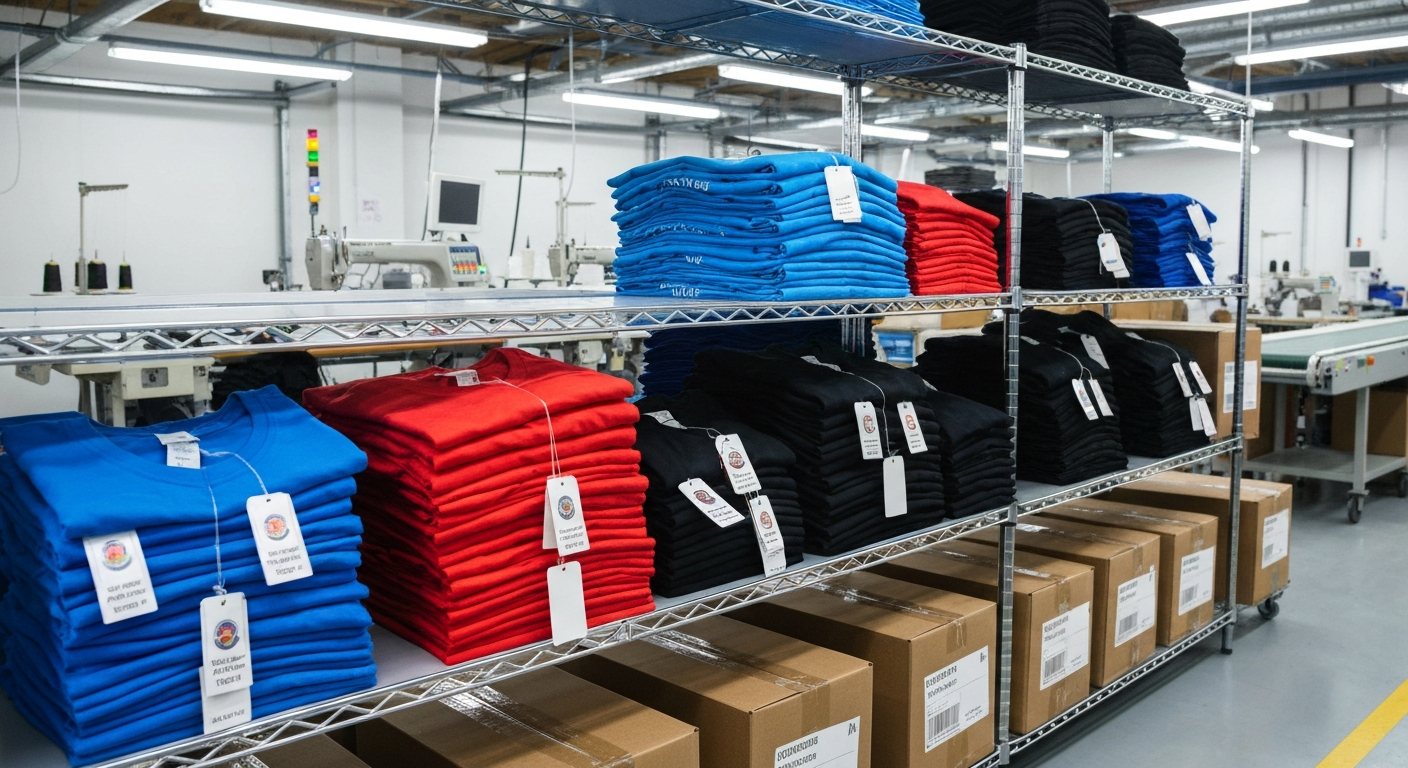
Yes, we offer both DTG and DTF printing in-house at our Santa Fe Springs facility. Our team will recommend the best method based on your fabric type, design complexity, quantity, and budget. You can also request a specific method if you have a preference.

DTG or DTF? We Will Pick the Best Method for You.

Tell us what you are printing on and we will recommend the right digital method for the best quality, durability, and value. Free quotes, fast turnaround.

Free Quote