Custom workwear is more than just putting a logo on a shirt. When you are outfitting a construction crew, warehouse team, or roadside maintenance squad, the apparel has to meet strict safety standards while still representing your brand. Getting this right means understanding the regulations, choosing compliant garments, and using decoration methods that do not compromise the safety features of the gear.
This guide covers everything you need to know about ordering custom safety apparel and workwear, from ANSI compliance to print placement rules.
Understanding ANSI/ISEA Safety Standards
The American National Standards Institute (ANSI) and the International Safety Equipment Association (ISEA) publish the standards that govern high-visibility safety apparel in the United States. The current standard, ANSI/ISEA 107-2020, defines three types of hi-vis garments:
Type O (Off-Road)
Type O garments are designed for workers in off-road environments where there is no traffic exposure but where enhanced visibility is still needed. Think warehouse workers, parking lot attendants, or event staff. These garments require the least amount of reflective material and background fluorescent fabric.
Type R (Roadway)
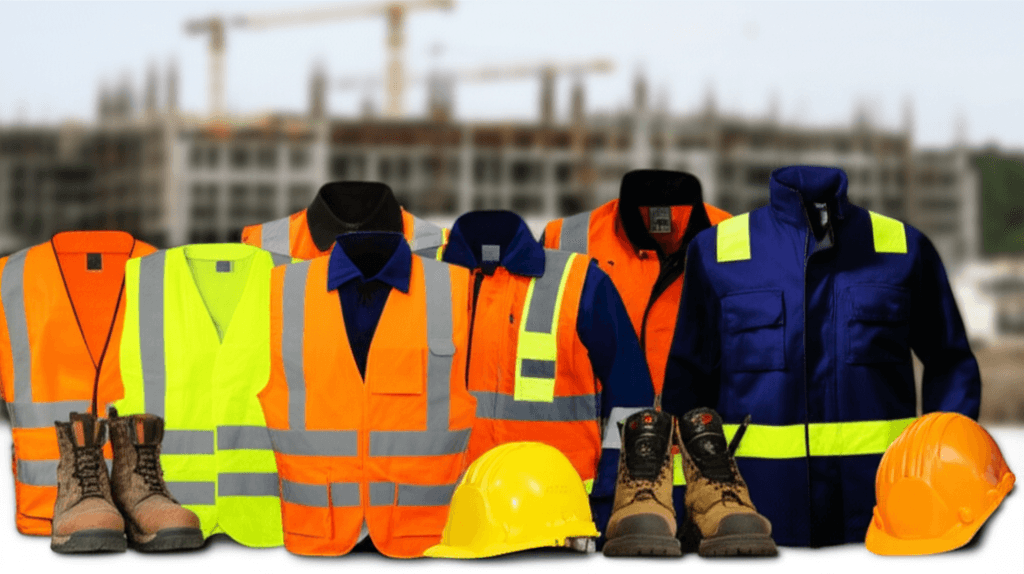
Type R is the most common category for construction, utility, and roadway workers. These garments require a minimum amount of both fluorescent background material (typically yellow-green or orange-red) and retroreflective striping. The retroreflective bands must be at least 2 inches wide and arranged in specific configurations around the torso.
Type P (Public Safety)
Type P covers law enforcement, fire, and emergency medical personnel. These garments allow for more flexibility in design, including the use of contrasting colors and different configurations of reflective striping, as long as they meet the minimum visibility requirements.
Performance Classes
Within each type, garments are rated as Performance Class 1, 2, or 3, with Class 3 providing the highest level of visibility. Class 3 garments require retroreflective material on both the torso and sleeves or legs, and they need larger areas of fluorescent background material. Most roadside workers in states like California are required to wear at least Class 2 or Class 3 garments.
Decoration Placement Rules for Safety Gear
Here is where custom workwear gets tricky. You cannot just slap a logo anywhere on a hi-vis vest or jacket. The placement of your branding must not cover or interfere with the retroreflective striping or reduce the minimum area of fluorescent background material below ANSI requirements.
Where You Can Print or Embroider
- Back yoke area — The upper back, above the reflective bands, is the most common and safest location for logos on hi-vis garments.
- Left or right chest — Small logos (typically 3 to 4 inches wide) can be placed on the chest area between the reflective bands, as long as they do not cover any reflective material.
- Sleeve upper arm — A small logo on the upper arm area is usually acceptable if the garment has reflective bands on the sleeves and the logo does not overlap them.
- Hat or helmet — Hardhat decals and embroidered beanies offer branding without any compliance risk.
Where You Cannot Print
- On or over retroreflective tape — Covering even a portion of the reflective striping with ink or embroidery can void the garment's ANSI compliance.
- Over large areas of fluorescent fabric — A big, dark logo on the fluorescent background can reduce the visible area below the required minimum. Keep logos compact.
- The lower torso band area — The circumferential bands around the lower torso are critical to the garment's visibility rating and should never be obstructed.
Best Print and Decoration Methods for Workwear
Not every decoration method holds up equally on workwear fabrics. Safety garments, work jackets, and industrial uniforms take abuse — exposure to weather, chemicals, repeated washing, and physical abrasion. You need methods that last.
Screen Printing
Screen printing is the go-to for most workwear. Plastisol inks bond well to the polyester mesh typically used in hi-vis garments, and they hold up through industrial laundering. For cotton-blend work shirts, screen printing delivers bold, durable logos that withstand hundreds of wash cycles.
Best for: Hi-vis vests, work tees, polyester-blend safety shirts, large back prints.
Embroidery
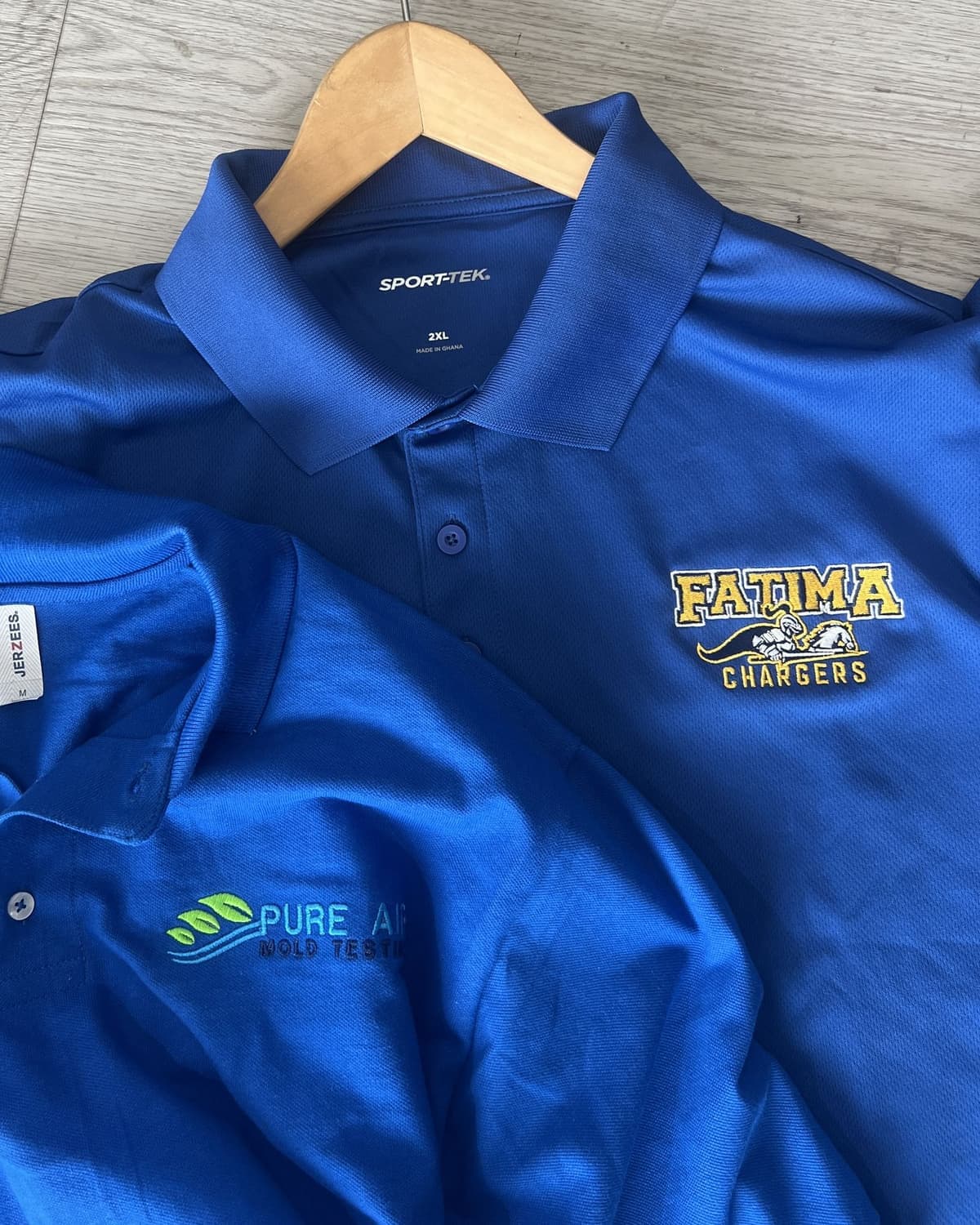
Embroidery is the premium choice for workwear branding. Thread does not fade, crack, or wash out. It gives a professional, established look that is ideal for polos, jackets, button-downs, and hats. On heavier workwear fabrics like canvas and duck cloth, embroidery holds exceptionally well.
Best for: Jackets, polos, button-down work shirts, hats, beanies, canvas work gear.
Heat Transfer Vinyl (HTV)
HTV works well for individual names, employee numbers, and department identifiers on workwear. It is durable, available in reflective and high-visibility colors, and can be applied precisely in small areas without interfering with safety striping.
Best for: Individual names, numbers, small compliance labels, reflective lettering.
DTF (Direct to Film)
DTF transfers are gaining ground in workwear decoration because they adhere well to polyester and poly-blend fabrics that are common in safety garments. They produce full-color logos with good durability and flexibility, although they may not match the wash endurance of screen printing on heavily laundered garments.
Best for: Full-color logos on polyester safety gear, moderate wash cycles, smaller runs.
Fabric and Garment Considerations
When ordering custom workwear, the garment itself matters as much as the decoration. Here are key factors to consider:
- Fabric weight — Lighter mesh vests (3 to 4 oz) are for warm weather layering, while heavier polyester or poly-cotton blends (5 to 7 oz) offer more durability and a better print surface.
- Moisture-wicking properties — Workers in hot environments need moisture management. Look for garments with wicking technology built in and confirm that your decoration method will not block the fabric's breathability.
- FR (Flame-Resistant) garments — If your industry requires flame-resistant workwear, decoration must use FR-compliant inks and threads. Standard plastisol ink is not rated for FR garments. Specialized FR inks and FR-rated embroidery threads exist, but they add cost and limit color options.
- Tear-away labels — Most workwear benefits from tagless printing or tear-away labels for comfort during long shifts. Heat-applied neck labels or direct screen-printed tags are popular upgrades.
Common Workwear Orders We Handle
At French Press Custom, we regularly produce custom workwear for construction companies, warehouses, logistics firms, landscaping crews, and municipal departments across Southern California. Common orders include:
- Hi-vis safety vests with company logo on back and left chest
- Embroidered work jackets and softshell outerwear
- Screen-printed crew neck and pocket tees in high volumes
- Reflective name and department lettering on uniforms
- Custom embroidered hard hat liners and beanies
- Polo shirts with embroidered logos for office and field staff
Tips for Ordering Custom Safety Apparel
- Confirm the ANSI class required for your specific worksite before selecting garments. Your safety officer or general contractor should be able to tell you.
- Provide your logo in vector format (AI, EPS, or SVG) for the cleanest results on workwear.
- Keep logos compact on hi-vis garments to avoid compliance issues with reflective and fluorescent coverage areas.
- Order samples first if you are switching to a new garment style or decoration method, especially for FR-rated gear.
- Plan for turnover and replacement — order extras. Workwear gets destroyed on the job, and having replacement garments ready saves time and keeps your crew compliant.
Get Your Team Outfitted Right
French Press Custom has over 15 years of experience producing custom workwear for teams across Southern California. We understand the compliance requirements, we stock a wide range of ANSI-rated blanks from top brands, and we know which decoration methods deliver the best results for your specific application. Whether you need 24 embroidered jackets or 500 printed hi-vis vests, we will make sure your crew looks professional and stays safe.
Ready to order custom workwear? Get a free quote from French Press Custom or call us at (562) 407-3800.
Frequently Asked Questions
Where can I put a logo on a hi-vis safety vest?
The back yoke above the reflective bands is the most common and safest location. A small chest logo of roughly three to four inches can sit between the bands, an upper sleeve logo usually works if it does not overlap the sleeve striping, and hardhat decals or embroidered beanies carry no compliance risk at all.
Can printing on hi-vis gear void its ANSI rating?
Yes. Covering even part of the retroreflective striping with ink or embroidery can void the garment's compliance, and a large dark logo on fluorescent fabric can pull the visible background area below the required minimum. The bands around the lower torso should never be obstructed.
Which decoration method holds up best on workwear?
Screen printing with plastisol bonds well to the polyester mesh used in hi-vis garments and survives industrial laundering, which makes it the go-to for vests and work tees. Embroidery is the premium choice for jackets, polos, button-downs and hats, especially on canvas and duck cloth.
What changes if my crew wears flame-resistant garments?
FR garments require FR-compliant inks and threads. Standard plastisol ink is not rated for FR gear, and while specialized FR inks and FR-rated embroidery threads exist, they add cost and limit your color options.