What Is HTV (Heat Transfer Vinyl)?
HTV stands for heat transfer vinyl. It is a thin sheet of colored vinyl with a heat-activated adhesive on one side; a design is cut out of the sheet, the excess is peeled away, and the design is pressed onto a garment with heat and pressure. Vinyl heat transfer, commonly known as HTV, is one of the most versatile decoration methods in the custom apparel industry. Whether you have seen athletic jerseys with crisp player names and numbers or corporate polos with clean one-color logos, there is a good chance heat transfer vinyl was involved.
This guide covers everything you need to know about HTV: how it works, what it is best for, its advantages, how durable it is, and where other methods might be a better fit. At French Press Custom, HTV is one of our heat transfer services, with a 6-piece minimum and per-color, per-location pricing you can see in the instant quote tool.
How Does Heat Transfer Vinyl Work?
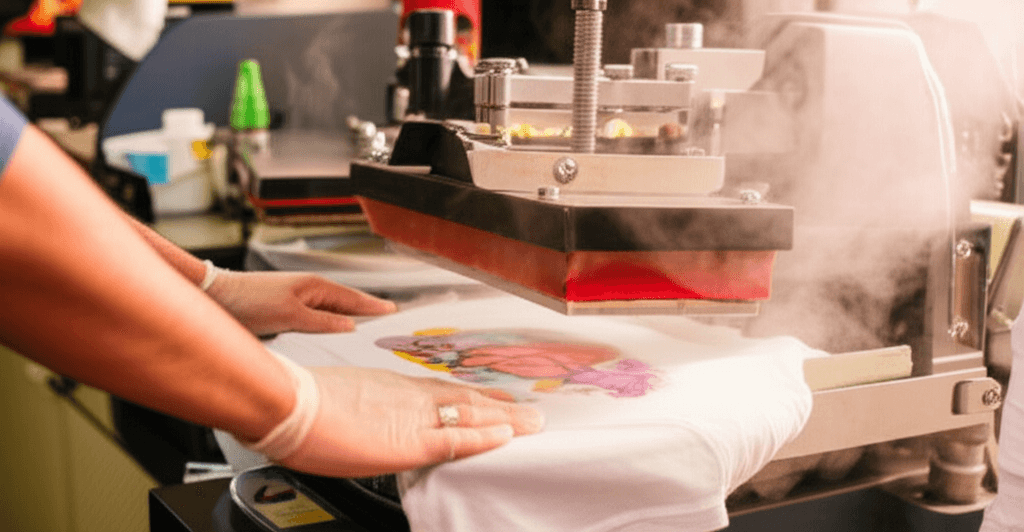
Vinyl heat transfer is a process where designs are cut from sheets of colored vinyl material using a computer-controlled cutting machine (called a vinyl cutter or plotter). The cut design is then weeded (excess vinyl removed), positioned on the garment, and permanently bonded using a heat press.
Unlike screen printing or DTG, which apply ink to the fabric, vinyl heat transfer applies a physical layer of material on top of the garment. The result is a clean, precise graphic with sharp edges and consistent color.
How the process works
- Design preparation: The artwork is converted to vector format with cut paths
- Cutting: A vinyl cutter traces the design paths and cuts through the vinyl layer (but not the carrier sheet)
- Weeding: Excess vinyl is peeled away, leaving only the design on the carrier
- Positioning: The design is placed on the garment and aligned
- Heat pressing: A commercial heat press applies heat (typically 300 to 330 degrees Fahrenheit) and pressure for 10 to 15 seconds
- Peeling: The carrier sheet is removed, leaving the vinyl permanently bonded to the fabric
What Are the Types of Heat Transfer Vinyl?
Not all HTV is created equal. Different vinyl types serve different purposes:
Standard HTV
The most common type. Available in a wide range of solid colors with a smooth, slightly glossy finish. Works on cotton, polyester, and blends.
Matte HTV
Same durability as standard but with a flat, non-reflective finish. Popular for designs that should look printed rather than vinyl.
Glitter HTV
Contains embedded glitter particles for a sparkly finish. Extremely popular for school spirit wear, cheer uniforms, and dance team apparel.
Metallic and Foil HTV
Produces a reflective, chrome-like or foil finish. Used for premium branding, fashion-forward designs, and awards ceremony apparel.
Flock HTV
Has a soft, felt-like raised texture. Creates a premium, tactile feel that stands out from standard vinyl.
Reflective HTV
Contains retroreflective material that shines when hit by light. Common on safety wear, running gear, and athletic uniforms.
Patterned HTV
Pre-printed with patterns like camo, plaid, animal print, or tie-dye. Allows complex visual effects without multi-layer application.
What Is HTV Used For?
HTV has specific strengths that make it the ideal method for certain projects:
Names and numbers
This is where vinyl truly dominates. Athletic jerseys, team uniforms, and employee name personalization are the bread and butter of vinyl heat transfer. Each piece can have unique text (different names, different numbers) without any additional setup cost, something that would be expensive with screen printing.
Small quantity orders (6 to 24 pieces)
With no screens to create and no complex setup, vinyl is cost-effective for small runs. Need 6 polos with your company logo? Vinyl makes that affordable. Our HTV minimum is 6 pieces.
One to three color designs
Vinyl works best with simple, bold designs. Logos, text, numbers, and basic graphics with clean lines are ideal applications.
Performance and athletic fabrics
Vinyl adheres well to moisture-wicking polyester, nylon, spandex, and other synthetic fabrics that can be challenging for ink-based methods.
Individual personalization
Because each piece is cut individually, vinyl is perfect for projects where every garment has unique text such as employee names on uniforms, player names on jerseys, or personalized gifts.
What Are the Benefits of Heat Transfer Vinyl for Uniforms?
For work uniforms and team uniforms, HTV solves the personalization problem: every shirt or jersey can carry a different name, number, or title (STAFF, SECURITY, COACH) with no per-design setup, so a roster of 18 players or a crew of 8 employees is priced per piece, not per design. It holds up on the performance polyester most uniforms are made from, where DTG cannot print and screen printing needs special inks. Replacement pieces are easy: when a new hire starts or a player joins mid-season, one shirt can be cut and pressed without re-running a screen. And specialty finishes (reflective for safety crews, glitter for cheer and dance, metallic for awards) are available off the shelf. Pair HTV names with an embroidered or screen printed logo and you get the best of both methods on one garment.
All the benefits in one list
- Sharp, precise edges: Vector cutting produces cleaner lines than any ink-based method for text and simple shapes
- No color limitations within available vinyl colors: Exact color consistency across every piece
- Low setup cost: No screens, no films, no plates
- Individual customization: Each piece can be unique at minimal additional cost
- Specialty finishes: Glitter, metallic, reflective, and flock options not available with most other methods
- Quick turnaround: Simple designs can be cut and pressed in minutes
- Works on difficult fabrics: Nylon, polyester, spandex, and performance blends
- Durable on performance wear: Holds up well through athletic use and repeated washing
What Are the Limitations of HTV?
Vinyl is excellent for what it does well, but it is not the right method for every project:
Not ideal for complex or multi-color designs
Each color requires a separate layer of vinyl, cut and applied individually. Designs with 4 or more colors become labor-intensive, time-consuming, and expensive. For full-color artwork, DTG or DTF printing is far more practical.
Noticeable hand feel
Vinyl sits on top of the fabric as a distinct layer. You can feel it with your fingers, and on larger designs it can affect the garment's breathability and drape. For large chest prints or all-over graphics, screen printing with water-based ink provides a softer feel.
Not suitable for photographic images
Because vinyl is cut from solid-color sheets, it cannot reproduce photographs, gradients, or designs with tonal variation. If your design includes a photo, you need DTG, DTF, or simulated process screen printing.
Weeding complexity on intricate designs
Very detailed designs with thin lines, small text, or tight spacing can be difficult or impossible to weed cleanly. There are practical minimum size limits for vinyl elements.
Potential for peeling over time
While modern HTV is highly durable, vinyl can eventually lift at the edges after extensive washing, particularly if the initial heat press application was not done at proper temperature and pressure. Professional application minimizes this risk significantly.
How Durable Is Heat Transfer Vinyl?
Professionally applied HTV is durable enough for uniforms that get washed weekly for a season or more. Quality vinyl pressed at the manufacturer's temperature, time, and pressure bonds into the fabric surface and survives dozens of wash cycles without lifting; the edges and the adhesive are the failure points, and both depend on application, not on the vinyl itself. To make HTV last: wash inside out in cold water, tumble dry low or hang dry, do not iron directly on the vinyl, and avoid bleach and fabric softener. Vinyl on stretchy performance fabric should be a stretch-rated HTV so it flexes with the garment. For a design that will be washed hundreds of times, a cured plastisol screen print is still the durability benchmark, but for names, numbers, and small logos on uniforms, HTV is more than up to the job.
HTV vs Other Decoration Methods
Vinyl vs screen printing
Screen printing is better for large orders, large print areas, and designs where a soft hand feel matters. Vinyl is better for personalized items, small orders, and specialty finishes like glitter or reflective. Screen printing starts at 24 pieces; HTV starts at 6.
Vinyl vs DTG
DTG is better for full-color designs, photographic images, and when you want an ink-in-fabric feel. Vinyl is better for bold, simple graphics, text-heavy designs, and synthetic fabrics that DTG cannot print on.
Vinyl vs DTF
DTF handles full-color designs on any fabric, similar to vinyl's fabric versatility but with photographic capability. Vinyl is better for individual personalization (names and numbers) and specialty material finishes.
Vinyl vs embroidery
Embroidery provides a premium, textured look ideal for corporate branding and hats. Vinyl is flatter, less expensive, and better for large text, numbers, and situations where a thinner decoration profile is preferred.
Common HTV Applications
- Athletic jerseys: Player names and numbers
- Team uniforms: School, recreational, and club sports
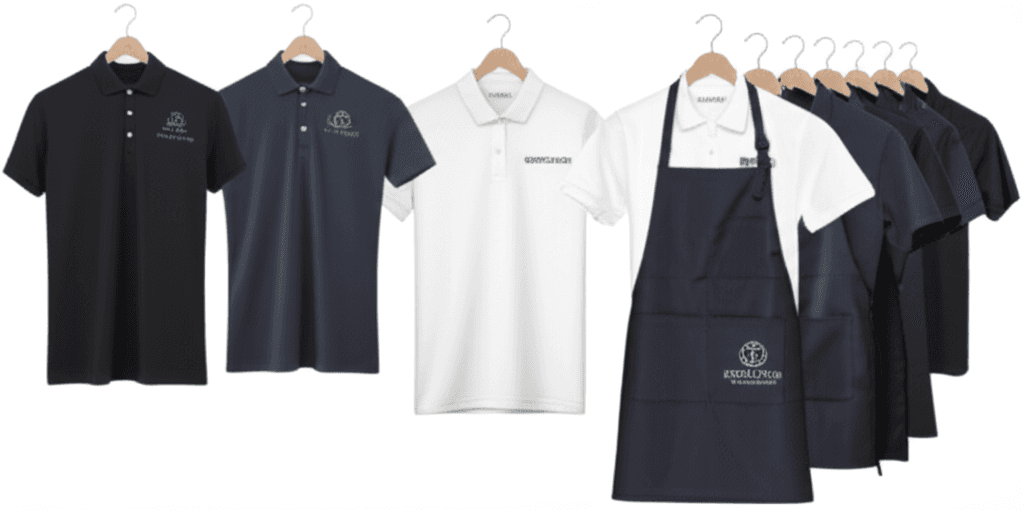
- Corporate workwear: Logos on polos, jackets, and vests
- Spirit wear: School names, mascots, and glitter designs
- Dance and cheer: Glitter, metallic, and reflective finishes
- Safety apparel: Reflective names, titles, and ID numbers
- Small business uniforms: Employee names and company logos
- Event staff: "STAFF," "SECURITY," "VOLUNTEER" identification
- Personalized gifts: Names, monograms, and custom text
What Is the Minimum Order and How Is HTV Priced?
At French Press Custom, heat transfer vinyl starts at 6 pieces and is priced per color, per location, per piece by quantity tier, with a small per-color setup folded into the per-piece price (no screens, no digitizing). Names and numbers are priced per piece as well, so every jersey on the roster can be different. The live figures are in the instant quote tool; for how HTV compares to the other methods, see our company facts page (minimums: screen printing 24, embroidery 24, DTF 12, HTV 6, DTG none).
Is Vinyl Heat Transfer Right for Your Project?
Vinyl heat transfer occupies an important niche in the custom apparel world. It is not trying to replace screen printing or digital methods. Instead, it solves specific problems exceptionally well, particularly individual personalization, specialty finishes, and small-run production on diverse fabric types.
At French Press Custom, we use vinyl heat transfer alongside screen printing, DTG, DTF, embroidery, and sublimation. Our team evaluates every project individually and recommends the method, or combination of methods, that delivers the best result for your design, quantity, and budget.
Not sure which method is right for you? Get a free quote, read about our heat transfer services, or call (562) 407-3800. We are happy to walk you through the options.