Do Screen Printed Shirts Crack?
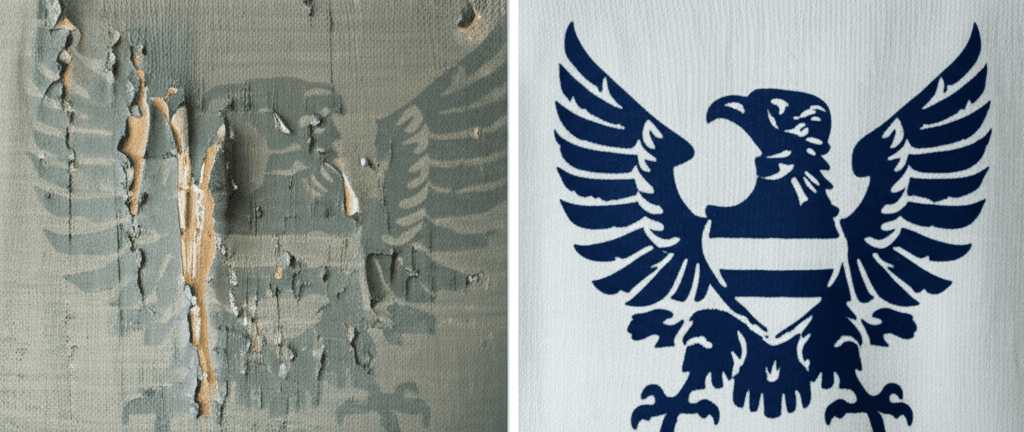
Not when they are printed and cared for properly. A correctly cured plastisol screen print flexes with the fabric and should last 50+ washes without cracking or peeling; when a print cracks in the first few washes, the cause is almost always under-curing at the shop, too thick an ink deposit, or hot washing and high-heat drying at home. Here is how to tell which one you are looking at, and how to prevent it.
You ordered custom shirts, wore them a few times, washed them, and the print started cracking. The edges peel up. The colors fade. It is frustrating, and you are not alone, this is the number one complaint about custom printed apparel.
But here is the thing: properly printed and properly cared for screen prints should last 50+ washes without cracking. If your prints are failing, something went wrong, either in production or in aftercare.
At French Press Custom, we stand behind every print we produce. Here is what causes cracking and how to prevent it.
Why Does Ink Crack on Shirts and Sweatshirts After Washing?
1. Under-Curing (The Most Common Cause)
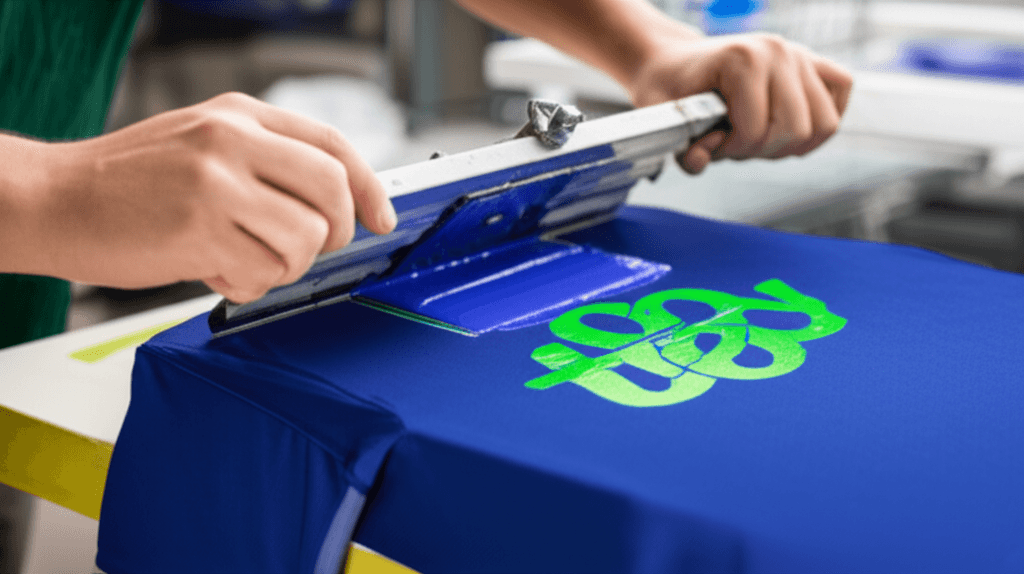
Screen printing ink (plastisol) must reach an internal temperature of 320 degrees F throughout the entire ink film to properly cure. If the ink does not reach full cure:
- The ink layer remains brittle instead of flexible
- It will crack with the first few washes as the fabric flexes
- It may feel "tacky" or sticky to the touch
Why it happens:
- Conveyor dryer running too fast
- Dryer temperature set too low
- Thick ink deposits that do not heat through
- Improper dryer calibration
How we prevent it: French Press Custom uses temperature-verified curing. We test every job with a heat probe or temp strip to confirm full cure before packaging.
2. Over-Curing
Too much heat is also a problem:
- Excessive heat makes plastisol ink rigid and brittle
- The ink loses its elasticity and cracks when the fabric stretches
- Over-cured prints often feel hard and plastic-like
How we prevent it: Calibrated conveyor speed and temperature for each ink type and garment weight.
3. Too Thick an Ink Deposit
More ink is not better. When the ink layer is excessively thick:
- The print becomes stiff and inflexible
- Thick ink is harder to cure evenly
- The edges are more prone to cracking and peeling
Why it happens:
- Low mesh count screens (too much ink passes through)
- Multiple passes without flash curing
- Poor screen tension
How we prevent it: Proper mesh selection for each ink type and design. We use higher mesh counts for detail work and control ink deposit thickness.
4. Poor Ink Quality
Not all plastisol inks are created equal. Cheap, off-brand inks may:
- Have poor elasticity when cured
- Contain inferior resins that degrade faster
- Not bond properly to certain fabrics
How we prevent it: We use premium brand-name inks from trusted manufacturers.
5. Incompatible Ink and Fabric
Printing plastisol on a garment with a moisture-wicking coating (common on performance polyester) can cause adhesion failure. The ink sits on top of the coating rather than bonding to the fabric.
How we prevent it: Low-bleed plastisol or pre-treatment for performance fabrics. Proper ink selection for each fabric type.
How Do You Keep a Print on a Shirt From Cracking?
Even a perfectly printed shirt will degrade faster with improper care. Here is how to make your prints last (the same rules apply to hoodies and sweatshirts, where heavy fleece and hot dryers are the usual culprits).
The Golden Rules of Caring for Printed Apparel
1. Wash Inside Out This is the single most impactful thing you can do. Turning the shirt inside out protects the print from friction with other garments and the washing machine drum.
2. Cold Water Only Hot water softens plastisol ink, making it more vulnerable to damage during the wash cycle. Always wash on cold (30 degrees C / 86 degrees F or below).
3. Gentle Cycle The agitation in a standard wash cycle grinds the print against other garments. Use the gentle or delicate cycle.
4. No Dryer (Or Low Heat) High dryer heat can re-soften cured ink and cause it to stick to itself or crack. Options:
- Air dry (best)
- Tumble dry on low/no heat (acceptable)
- Never high heat
5. No Iron on the Print Direct ironing on a screen print will melt and distort the ink. If you must iron, turn the shirt inside out and iron the reverse side.
6. No Bleach Bleach damages both the fabric and the ink. Use mild detergent only.
7. No Dry Cleaning Dry cleaning solvents can dissolve or damage plastisol ink.
Print Care Cheat Sheet
| Do | Do Not |
|---|---|
| Wash inside out | Wash right-side out |
| Cold water | Hot water |
| Gentle cycle | Heavy-duty cycle |
| Mild detergent | Bleach or harsh chemicals |
| Air dry or low heat | High heat dryer |
| Iron reverse side | Iron directly on print |
| Wash with similar items | Wash with zippers, buckles |
Can You Fix a Cracked Screen Print?
Honestly, not really. Once a plastisol film has cracked, the break is permanent; you can hide it but not heal it. Two things help a little: if the print was under-cured (it feels tacky or cracked before the first wash), a shop can re-run it through the dryer or press it under a heat press with a Teflon sheet to finish the cure, which stops the cracking from getting worse. And for a shirt you love, a thin coat of fabric medium or a heat-pressed clear film can seal the surface temporarily. Neither restores the print. The real fix is a reprint, which any reputable shop should provide free if the print failed within the first few washes under normal care. Prevention (a properly cured print, washed inside out in cold water and dried low) is the only reliable answer.
Why Do Heat Transfers, DTF, and DTG Prints Peel or Fade?
DTG (Direct-to-Garment)
DTG prints absorb into the fabric, so they do not crack in the traditional sense. However, they can fade over time, especially if:
- Washed in hot water
- Dried on high heat
- Pre-treatment was insufficient
DTF (Direct-to-Film)
DTF transfers sit on top of the fabric similar to plastisol. They can peel at the edges if:
- Heat press temperature was too low
- Press time was insufficient
- The garment was not pre-pressed to remove moisture
Discharge and Water-Based
These inks dye the fabric rather than sitting on top. They literally cannot crack because there is no ink layer. However, they can fade over time with aggressive washing.
Embroidery
Thread-based, cannot crack. Can fray slightly over many years of wear, but embroidery is essentially permanent.
When to Complain to Your Printer
If your print is cracking or peeling after just 1-5 washes with proper care, the issue is almost certainly a production problem (under-curing, over-inking, or ink compatibility). A quality printer should:
- Acknowledge the issue
- Offer to reprint the affected garments
- Investigate and fix the root cause
At French Press Custom, if a print fails prematurely due to production issues, we reprint it, no questions asked. That is our guarantee.
How to Test Print Quality
When you receive your order, do this quick test on one shirt:
- Stretch the printed area firmly in multiple directions
- The print should flex with the fabric without cracking
- If it cracks immediately before washing, it was under-cured, send it back
Summary
| Problem | Cause | Fix |
|---|---|---|
| Cracking after 1-3 washes | Under-curing | Return to printer for reprint |
| Cracking after 5-10 washes | Over-thick ink or aggressive washing | Improve wash care |
| Edge peeling | Poor adhesion or over-curing | Return to printer |
| Fading | Normal wear or hot wash | Cold water, inside out |
| Sticky/tacky feel | Under-curing | Return to printer |
Questions about print quality? Contact French Press Custom at (562) 407-3800 or get a quote for a print that will not crack or peel. We back every print with our quality guarantee. Related: Water-Based vs Plastisol Ink and Screen Printing on Polyester.