The fitness industry runs on identity. Members do not just join a gym — they join a community. When someone wears your gym's logo on a tank top at the grocery store or posts a workout selfie in your branded hoodie, that is organic marketing you cannot buy. Custom apparel is one of the most effective tools fitness brands and gyms have for building brand loyalty, generating word-of-mouth exposure, and creating additional revenue streams.
Whether you are a CrossFit box, a boutique yoga studio, a martial arts academy, or a full-service fitness center, here is how to think about custom apparel strategically.
The Four Pillars of Gym Apparel
Most fitness businesses benefit from having four distinct apparel categories, each serving a different purpose.
1. Member Merchandise
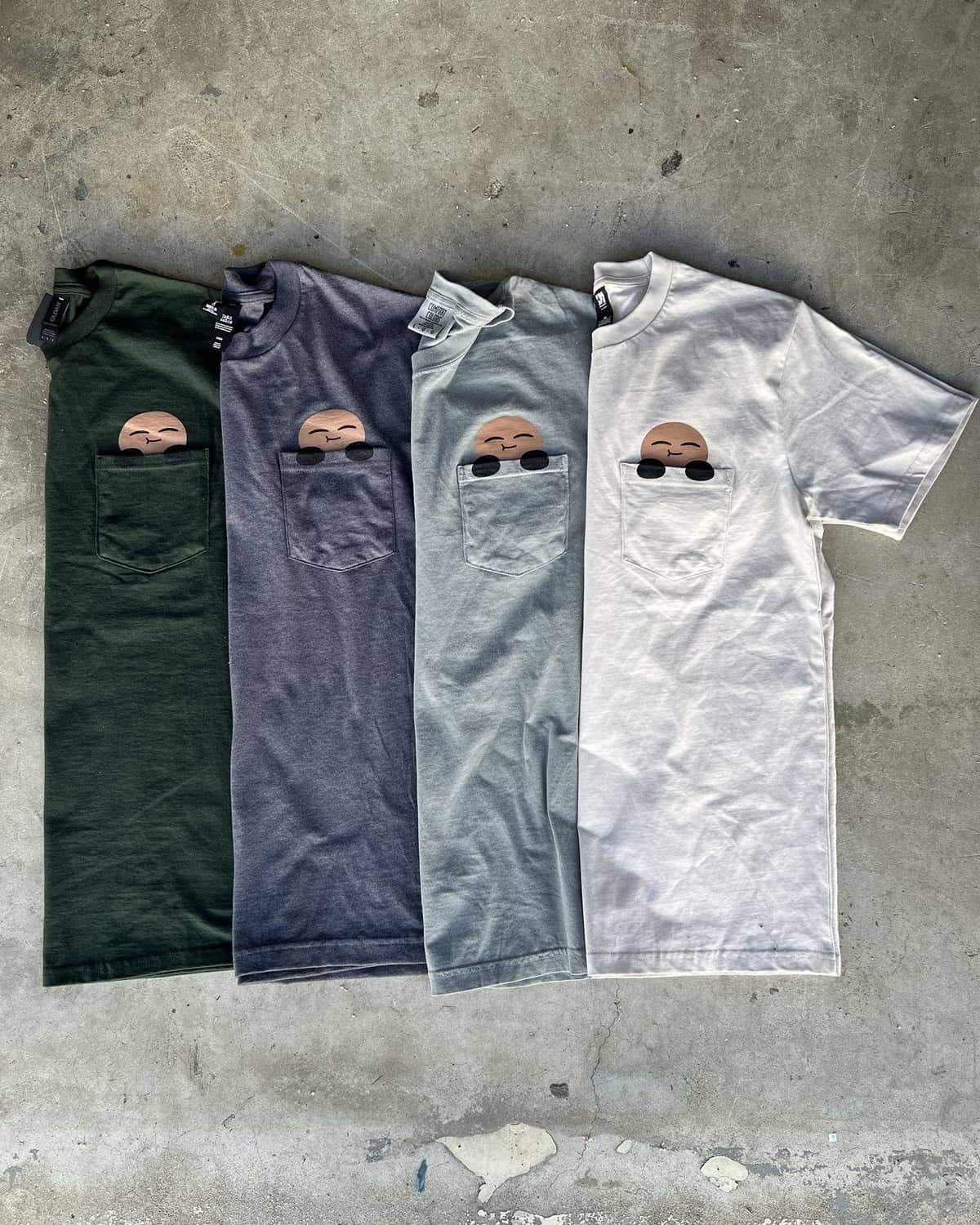
This is what your members buy and wear because they are proud to represent your brand. It is also a revenue stream with healthy margins. Member merch should look good enough that people want to wear it outside the gym.
What works:
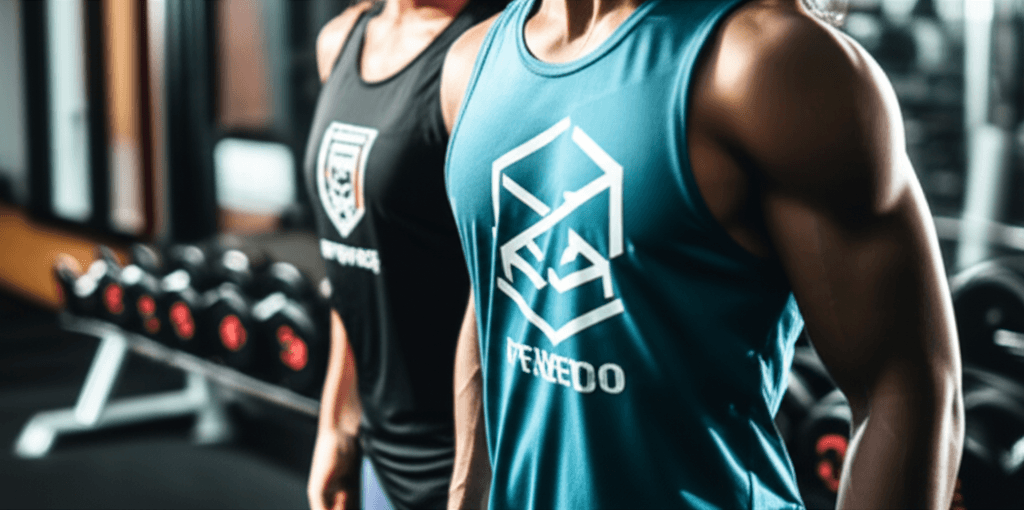
- Branded tank tops and muscle tees for training
- Hoodies and crewneck sweatshirts for the post-workout cool-down
- Performance tees and long sleeves for outdoor workouts
- Joggers and shorts with subtle branding
- Headbands, wristbands, and gym bags
The key: Treat your merch like a brand drop, not an afterthought. Limited-edition seasonal designs, collaboration pieces, and event-specific gear create urgency and excitement. The gyms that sell the most merch are the ones that make their apparel aspirational.
2. Staff Uniforms
Your coaches and front desk staff are the face of your brand. Consistent, sharp-looking uniforms build professionalism and make staff instantly recognizable on the floor.
What works:
- Performance polos or quarter-zips for front desk staff
- Branded coaching tees or tanks with a consistent color scheme
- Embroidered jackets for management
- Staff-only colorways or designs that distinguish them from member merch
The key: Choose performance fabrics that hold up to the environment. A coach wearing a sweat-soaked cotton tee by 10 AM does not project the right image. Moisture-wicking polyester blends and tri-blends keep staff looking fresh.
3. Competition and Event Gear
If your gym hosts competitions, charity workouts, or community events, custom event apparel is a must. It commemorates the experience and turns every participant into a walking billboard.
What works:
- Event-specific tees with the date and event name
- Finisher shirts or medals for charity events
- Competition tanks with heat numbers or team identifiers
- Long sleeves for cold-weather outdoor events
The key: Order early and promote the merch as part of the event experience. Pre-sell designs to gauge demand and avoid overstock.
4. Retail and Online Store Merch
Some gyms operate full retail merch lines through in-house displays or online stores. This extends your brand beyond your physical location and can become a significant revenue driver.
What works:
- A curated online store with your best-selling designs
- Seasonal collections that rotate quarterly
- Athleisure pieces (joggers, hoodies, bomber jackets) that cross over from gym to street
- Accessories like shaker bottles, gym bags, and towels
The key: Invest in quality. Retail merch competes with established athleisure brands. If your hoodie pills after two washes, you lose credibility. Premium blanks from brands like Bella+Canvas, Next Level, and Independent Trading Company make a noticeable difference.
Choosing the Right Fabrics for Activewear
Fabric choice is more important for fitness apparel than almost any other category. Your members are going to sweat in these garments, wash them frequently, and judge them by how they perform during a workout.
Tri-Blend (50% Poly / 25% Cotton / 25% Rayon)
Tri-blend is the sweet spot for gym tees. It is soft, lightweight, drapes well, and has enough polyester content for moisture management. Tri-blends feel premium against the skin and hold their shape through repeated washing. Bella+Canvas 3413 and Next Level 6010 are industry favorites.
100% Polyester Performance
For serious training gear — competition tanks, coaching shirts, outdoor running tees — 100% polyester moisture-wicking fabrics are the standard. They pull sweat away from the body, dry quickly, and hold printed graphics without cracking. Look for garments with UPF ratings if your members train outdoors.
Cotton/Poly Blends (60/40 or 50/50)
A solid middle ground. More absorbent than straight polyester, softer than straight cotton, and more durable than either alone. These blends work well for casual gym merch like hoodies and crewnecks that members wear to and from the gym.
French Terry and Fleece
For hoodies, joggers, and sweatshirts, French terry and fleece fabrics are the standard. French terry is lighter and more breathable, making it suitable for year-round wear in Southern California climates. Heavyweight fleece is better for cold-weather gear and has that premium, thick feel that members love.
Best Print Methods for Fitness Apparel
The decoration method you choose affects the look, feel, durability, and cost of your gym merch.
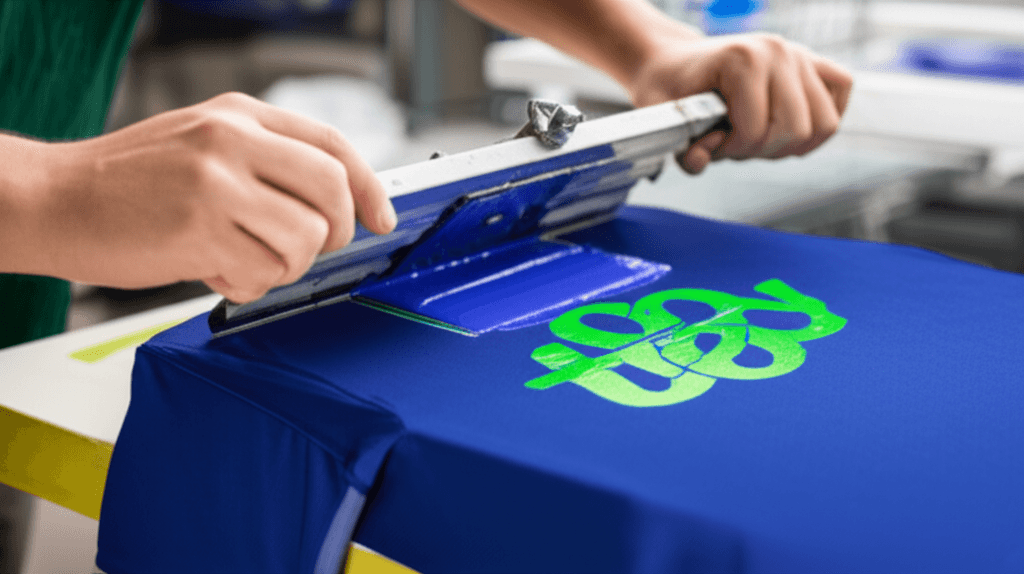
Screen Printing
Screen printing is the industry standard for gym apparel, especially for runs of 36 pieces or more per design. It produces bold, vibrant colors with excellent durability. On performance polyester, screen printing using water-based or discharge inks delivers a soft hand feel that does not interfere with the fabric's wicking properties.
Best for: Bulk member tees, event shirts, large bold designs, consistent branding across multiple garment styles.
DTG (Direct to Garment)
DTG printing works like an inkjet printer for fabric. It excels at full-color, photographic, and highly detailed designs without the setup costs of screen printing. DTG is ideal for gym merch with complex artwork, gradient colors, or small batch runs where screen printing minimums do not make sense.
Best for: Limited-edition drops, complex multi-color designs, print-on-demand store inventory, sample runs.
DTF (Direct to Film)
DTF transfers are versatile and produce vibrant full-color results on virtually any fabric, including the polyester performance materials that can be tricky for DTG. The transfers are durable and flexible, with a slightly thicker hand feel than DTG but better opacity on dark garments.
Best for: Full-color logos on performance polyester, dark garments, mixed fabric orders.
Embroidery
Embroidery adds a premium, tactile dimension to gym branding. It is the standard for staff polos, coaching jackets, hats, and bags. Embroidered logos last the lifetime of the garment and project a polished, established image.
Best for: Staff uniforms, outerwear, hats, bags, premium retail pieces.
Vinyl Heat Transfer
Vinyl is excellent for names, numbers, and small text on performance fabrics. It is durable, available in specialty finishes like metallic and reflective, and works well for individual customization on team or competition gear.
Best for: Individual names, numbers, small personalized details on competition gear.
Design Tips for Fitness Brands
Your gym's apparel designs should reflect your brand identity while being wearable enough that members reach for them regularly.
- Keep it wearable. The most popular gym merch features clean, modern designs that look good in and out of the gym. Oversized, cluttered logos get left in the drawer.
- Use your brand colors consistently. Every piece of apparel should reinforce your visual identity. Pick 2 to 3 core colors and stick with them.
- Create variety within consistency. Different designs and styles, but a unified visual language. A tank top, a hoodie, and a hat should all clearly look like they belong to the same brand.
- Design for your audience. A CrossFit box and a luxury yoga studio have very different aesthetics. Know your members and design for them.
- Consider placement. A left chest logo on a performance tee feels professional. A large back print makes a statement. A sleeve print feels modern and trendy. Mix placements across your collection.
Building a Merch Program That Sells
The gyms that move the most merch treat it as a real business line, not a side project. Here is how:
- Start with a core collection — 3 to 5 essential pieces (tee, tank, hoodie, hat, bag) in your brand colors. Get these right first.
- Drop seasonal collections — New designs every quarter keep things fresh and create urgency. Announce drops on social media to build anticipation.
- Display merch prominently — A merch rack by the front desk, visible from the main training floor, sells itself. Include a staff member wearing the latest design.
- Offer an online store — Not every member buys in person. An online store extends your reach to members' families, friends, and your social media audience.
- Use merch for retention — Welcome kits for new members, anniversary gifts, and competition prizes all reinforce belonging.
Partner With a Printer Who Gets Fitness
French Press Custom works with gyms, fitness studios, martial arts academies, and athletic brands across Southern California. We understand the unique requirements of fitness apparel — performance fabrics, durable decoration, modern designs, and quick turnarounds for event deadlines. From your first sample run to a full seasonal collection, we handle everything from blank sourcing to final delivery.
Ready to build your fitness brand's apparel line? Get a free quote from French Press Custom or call (562) 407-3800.
Frequently Asked Questions
What apparel categories should a gym offer?
Four categories cover most fitness businesses: member merchandise that people buy and wear outside the gym, staff uniforms that make coaches recognizable on the floor, competition and event gear tied to a specific date, and a retail or online store line that extends the brand past your physical location.
What fabric is best for gym tees?
Tri-blend is the sweet spot, because it is soft, lightweight, drapes well and carries enough polyester for moisture management. For serious training gear such as competition tanks and coaching shirts, 100% polyester moisture-wicking fabric is the standard.
Which print method works best on performance polyester?
DTF produces vibrant full-color results on performance polyester and on dark garments where DTG struggles. Screen printing with water-based or discharge inks also works well on performance fabric and leaves a soft hand feel that does not interfere with wicking.
How do gyms actually sell more merch?
Treat it as a real business line. Start with a core collection of three to five essential pieces in your brand colors, drop seasonal designs quarterly to create urgency, display the rack where members walk past it, and run an online store so members' families and your social audience can buy too.