Picking the right thread colors for custom embroidery can make the difference between a logo that looks sharp and professional and one that falls flat. Unlike screen printing where you can mix inks to achieve virtually any Pantone shade, embroidery relies on pre-dyed thread spools, and each thread manufacturer offers a specific palette. Understanding how thread color systems work, how to match your brand colors, and when to use specialty threads will help you get results you are proud of.
How Embroidery Thread Color Systems Work
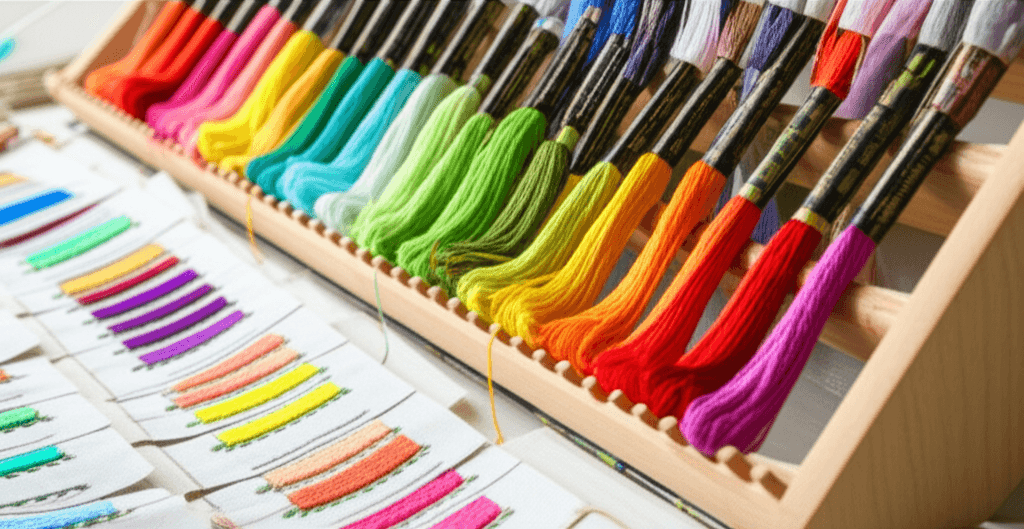
Embroidery threads come from manufacturers who each maintain their own color numbering system. The two most widely used thread brands in the commercial embroidery industry are Madeira and Isacord. When you submit your logo for embroidery, your decorator will match your brand colors to the closest available thread shades from whichever system they stock.
Madeira Threads
Madeira is one of the most established names in embroidery thread. Their Polyneon line is a polyester thread with excellent colorfastness and a subtle sheen that works well for logos and text. Madeira's Rayon line offers a richer luster and softer drape, but polyester is the industry standard for most commercial embroidery because it holds up better to washing and UV exposure.
Madeira's color palette includes over 400 solid colors, plus variegated and metallic options. Each color is identified by a unique Madeira number, which your embroidery shop will use when setting up your design.
Isacord Threads
Isacord, manufactured by Amann Group, is another top-tier polyester embroidery thread. It is known for its smooth finish, minimal thread breaks, and consistent color lot to lot. Isacord offers a palette of over 400 shades, and many embroidery shops prefer it for its reliability during high-speed production.
Isacord threads are also identified by unique color numbers. If you have previously had embroidery done and know your Isacord or Madeira color numbers, always share those with your new decorator. It eliminates guesswork and ensures consistency across orders.
Matching Thread Colors to Your Brand
Most businesses have brand colors defined as Pantone (PMS), CMYK, RGB, or hex values. Translating those digital or print-defined colors into physical thread is not always a perfect one-to-one match, but you can get very close.
Provide Your Pantone Numbers
The single best thing you can do is provide your Pantone Matching System (PMS) color numbers. Both Madeira and Isacord publish conversion charts that map PMS colors to their nearest thread equivalents. Your embroidery shop will use these charts to find the closest match. PMS to thread conversions are far more accurate than trying to match from a hex code or an image on a monitor.
Request a Thread Swatch or Stitch-Out
If your brand colors are critical and you need an exact match, ask your decorator for a thread swatch card or a small stitch-out sample before running the full order. This lets you see the actual thread color on the actual garment fabric. Thread can look different on a black polo versus a white one due to contrast and the way the fabric shows through the stitches slightly.
Understand the Limitations
Embroidery thread is a physical medium, and there are inherent limitations compared to digital color. Some shades, especially muted tones, pastels, and complex tertiary colors, may not have an exact thread match. In those cases, your decorator will recommend the closest available shade and let you approve it before production.
Neon and fluorescent colors are available in thread, but they tend to fade faster than standard polyester colors, especially with frequent washing and sun exposure. If your brand uses neon, discuss the longevity expectations up front.
Contrast and Readability Tips
Choosing thread colors is not just about matching your logo. It is about making sure the finished embroidery is legible and visually impactful on the garment you have chosen.
Light Thread on Dark Garments
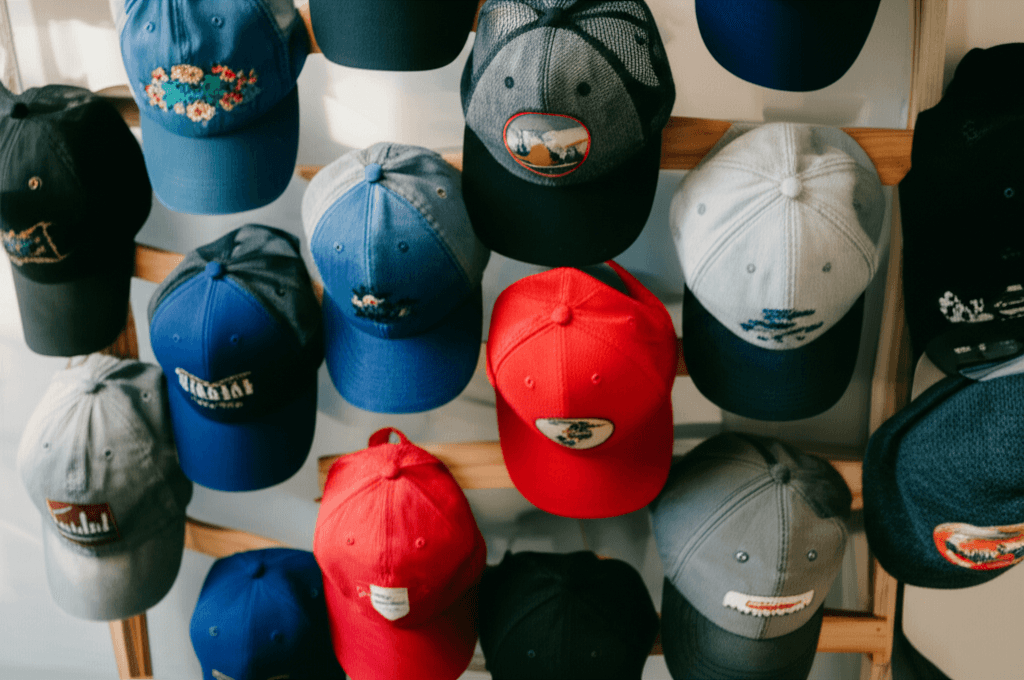
This is the most common and reliable combination. White, cream, yellow, and light gold threads pop beautifully against navy, black, charcoal, and dark green garments. If your logo is multicolored, the lightest elements will naturally draw the eye first on a dark background.
Dark Thread on Light Garments
Dark navy, black, hunter green, and burgundy threads work well on white, light gray, and khaki garments. The key is ensuring enough contrast between the thread and the fabric so that small text and fine details remain readable.
Avoid Low-Contrast Combinations
A medium blue logo on a medium blue shirt will disappear. This seems obvious, but it comes up more often than you would think, especially when clients order the same logo across multiple garment colors without adjusting the thread palette. Work with your decorator to create color variations of your logo for different garment shades. Most shops will set up a light-garment version and a dark-garment version at no extra digitizing cost.
Small Text and Fine Detail
For text under half an inch tall, stick with a single, high-contrast thread color. Small text with multiple thread colors or low contrast becomes unreadable when stitched. Bold, sans-serif fonts embroider more cleanly than thin serifs at small sizes.
Specialty and Metallic Threads
Beyond standard polyester, there are specialty thread options that can add a premium look to your embroidery.
Metallic Threads
Metallic embroidery thread contains a thin metallic foil wrapped around a core fiber. It produces a reflective, shimmering finish that looks striking for accent elements — think a gold outline around a shield logo or a silver star in a badge design. However, metallic threads are more fragile than standard polyester. They are more prone to thread breaks during stitching, which can increase production time and cost. Use metallic thread as an accent, not for the entire design.
Glow-in-the-Dark Thread
Yes, it exists. Glow-in-the-dark embroidery thread charges under light and emits a green glow in darkness. It is a novelty option great for event merchandise, Halloween-themed gear, or kids' apparel, but it has limited practical application for most business branding.
Variegated and Multicolor Threads
Variegated threads gradually shift between colors along the length of the spool. They can produce interesting visual effects for decorative embroidery, but they are unpredictable for logo work because the color placement changes with each run. Most decorators advise against variegated threads for brand logos.
Neon and Fluorescent Threads
Available from both Madeira and Isacord, neon threads are intensely bright and eye-catching. They work well for fitness brands, youth sports, and event merchandise. Be aware that neon dyes are less lightfast than standard colors, so they will fade more noticeably over time.
Thread Count and Design Complexity
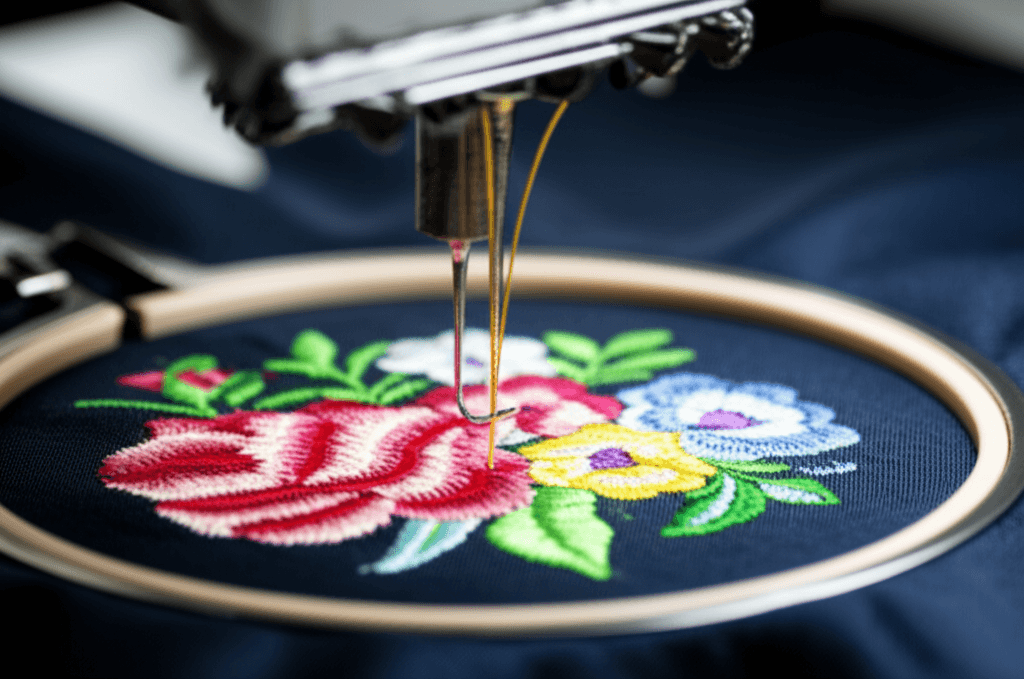
The number of thread colors in your embroidery design directly affects cost and production time. Each color change requires the machine to stop, cut the thread, and rethread with the next color. Most standard logos use 2 to 6 thread colors.
- 1 to 3 colors — Most cost-effective. Clean, bold look. Ideal for text-based logos and simple icons.
- 4 to 6 colors — Standard for detailed logos with multiple brand colors. Moderate cost increase.
- 7 to 12 colors — Complex designs with gradients or photographic elements. Significantly increases stitch time and cost.
- 12+ colors — Rare and expensive. At this level of detail, DTG or DTF printing may be more cost-effective than embroidery.
How to Prepare Your Logo for Embroidery
To get the best thread color matching and overall results, provide your embroidery shop with:
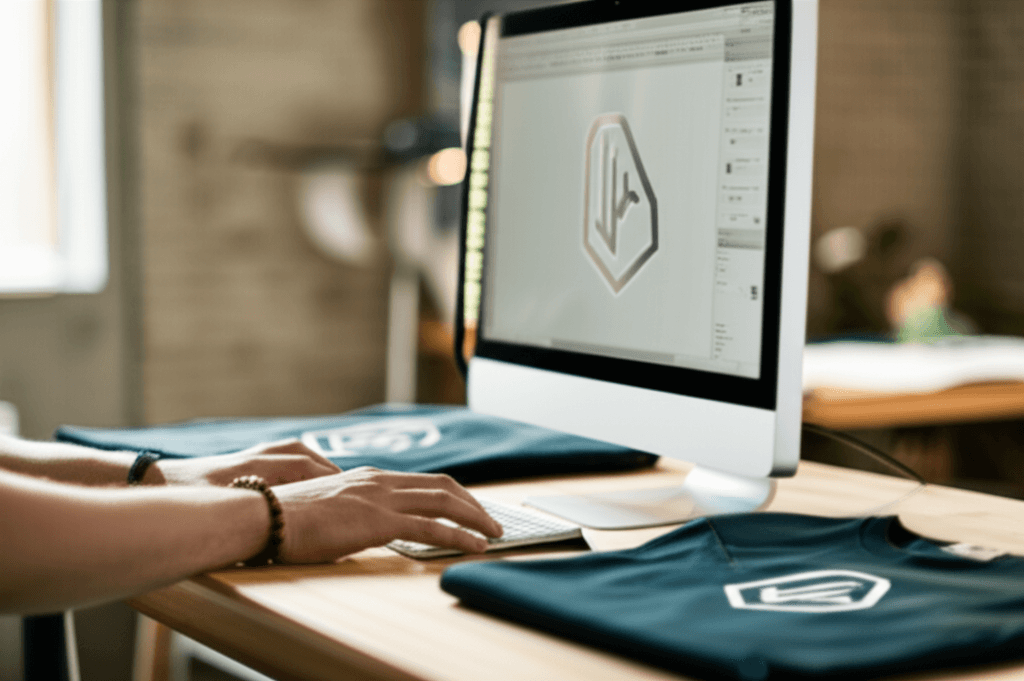
- A vector file (AI, EPS, or PDF) of your logo with PMS colors specified.
- Your specific PMS color numbers listed separately, in case they are not embedded in the file.
- Your garment color selections so the shop can recommend thread adjustments for each background.
- Any known Madeira or Isacord thread numbers from previous embroidery orders.
- Approval of the digitized proof before production begins, including thread color callouts.
Get Expert Embroidery Color Matching
At French Press Custom, we stock a full range of Madeira threads and have extensive experience matching brand colors for companies, schools, teams, and organizations across Southern California. We will provide you with a digitized proof showing exact thread color callouts before we stitch a single garment, so you know exactly what you are getting.
Need custom embroidery with precise color matching? Request a free quote or call French Press Custom at (562) 407-3800.
Frequently Asked Questions
How do I match my brand colors to embroidery thread?
Provide your Pantone (PMS) numbers. Both Madeira and Isacord publish conversion charts that map PMS colors to their nearest thread equivalents, and that is far more accurate than matching from a hex code or an image on a monitor.
Can embroidery thread match a Pantone color exactly?
Thread is a physical medium with a fixed palette, so some shades, especially muted tones, pastels and complex tertiary colors, may not have an exact match. Your decorator will recommend the closest available shade and let you approve it before production.
What thread colors work best on dark garments?
Light thread on a dark garment is the most reliable combination. White, cream, yellow and light gold pop against navy, black, charcoal and dark green, and a medium tone on a medium garment simply disappears, which is why most shops set up a light-garment version and a dark-garment version of the same logo.
How many thread colors should my logo use?
Most standard logos use 2 to 6 thread colors. Each color change stops the machine to cut and rethread, so 1 to 3 colors is the most cost-effective, while designs past 7 colors add meaningful stitch time and cost.