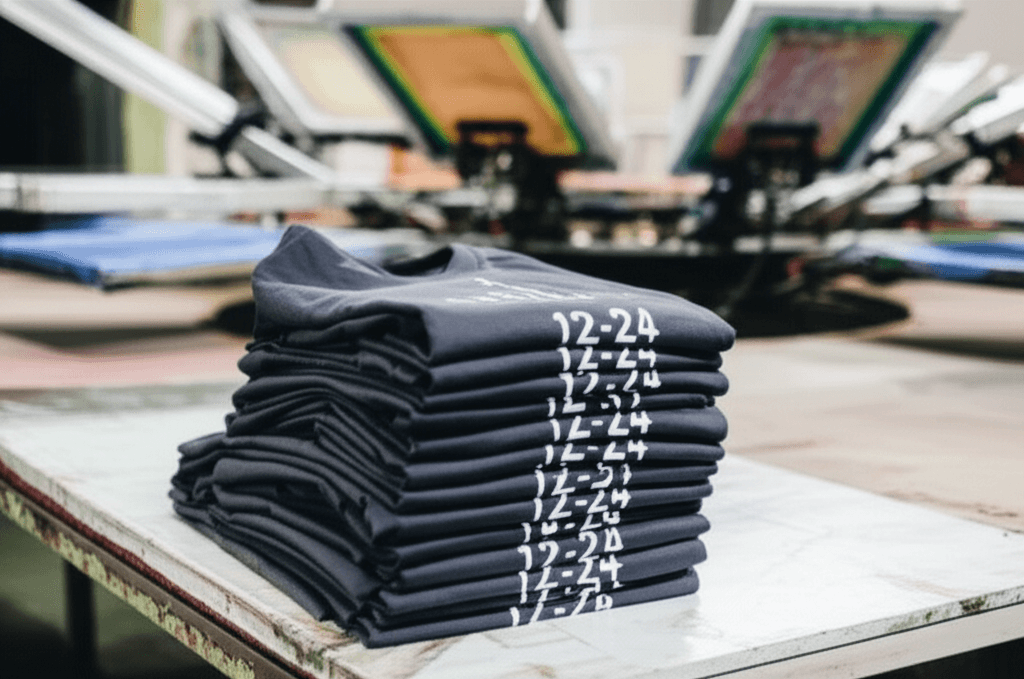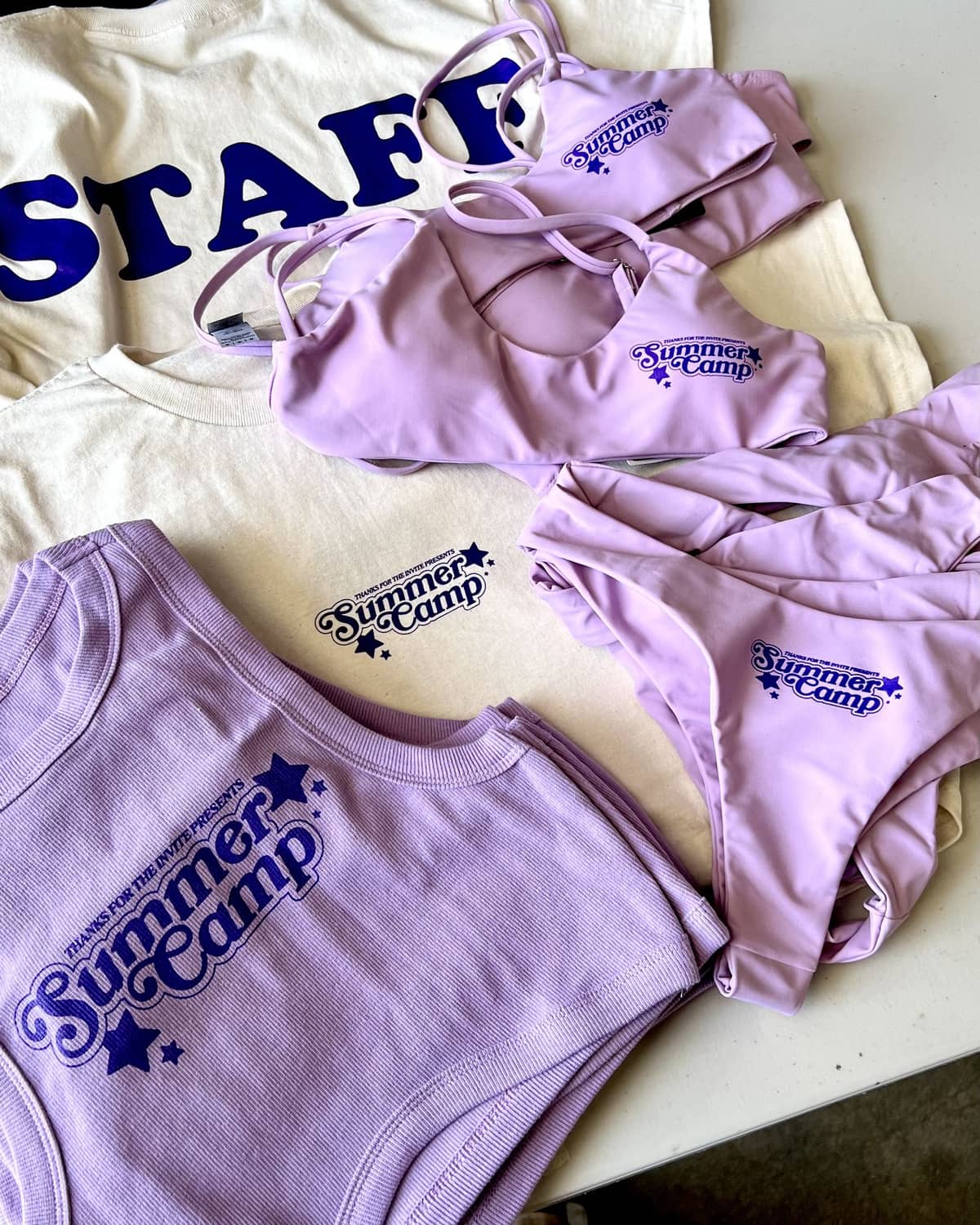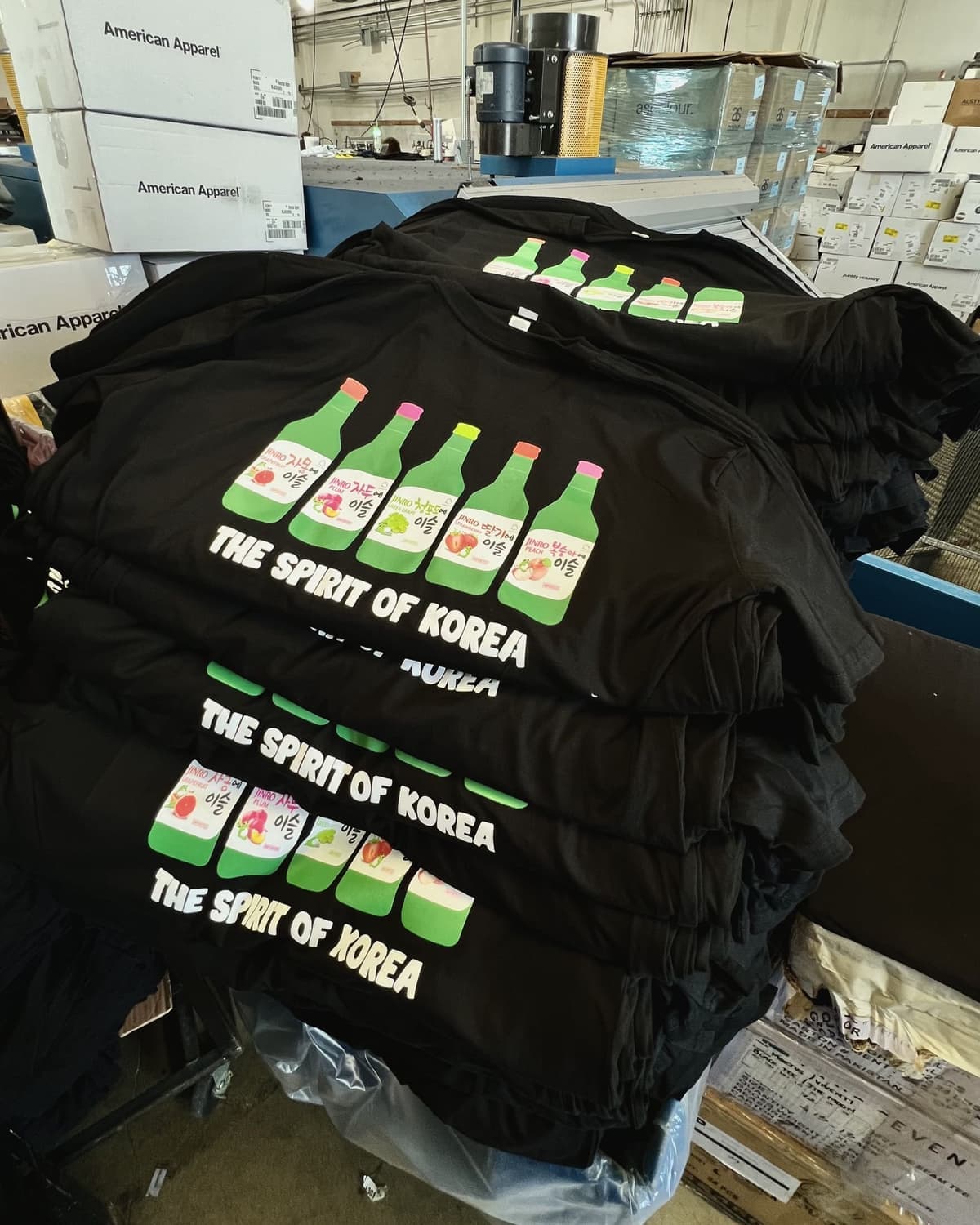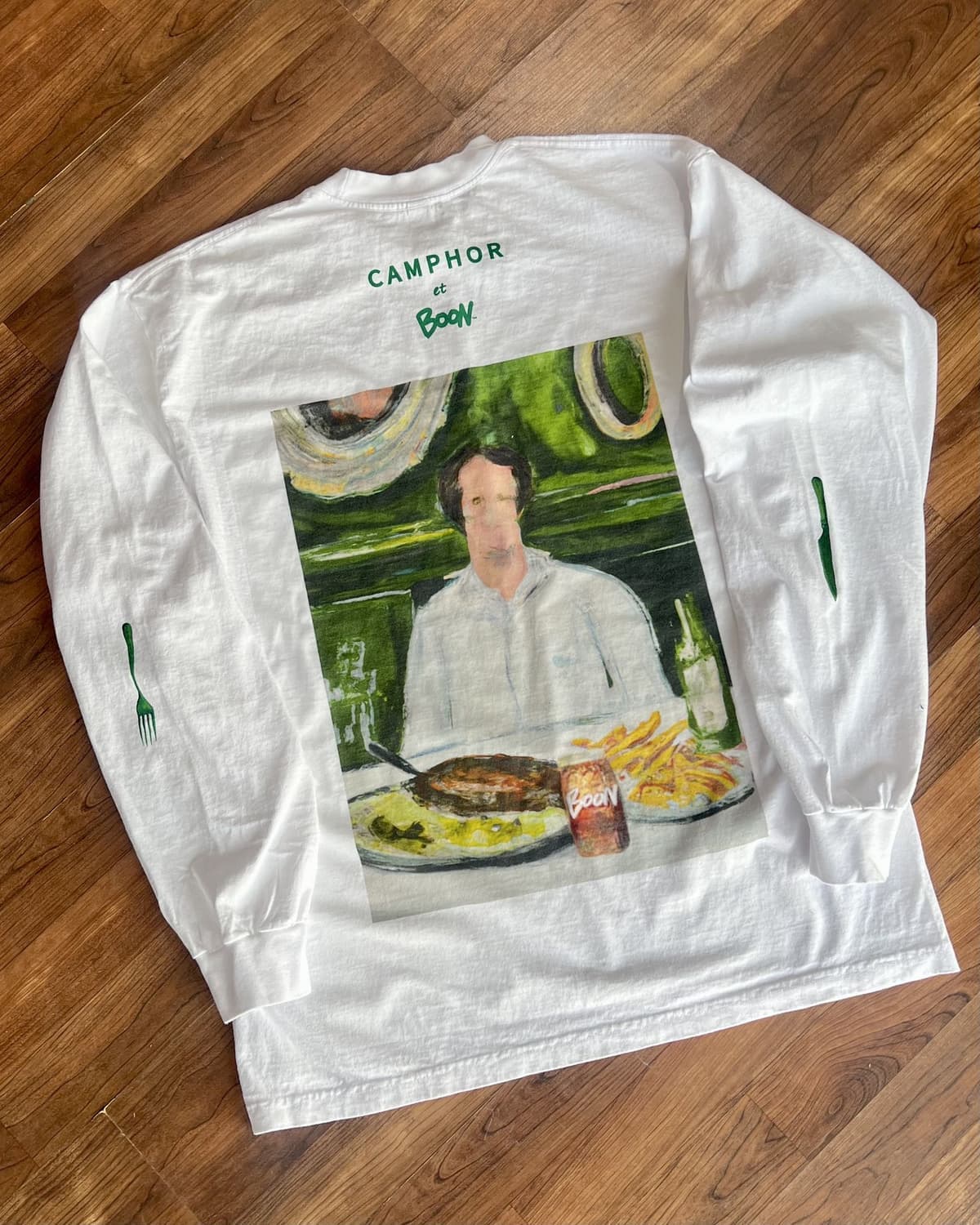
Yes, modern direct-to-garment (DTG) printing produces soft, detailed, retail-quality prints that hold up through repeated washing when the shirt is properly pretreated and cured. Because DTG printing has no minimum order at French Press Custom, the easiest way to judge the quality for yourself is to order a single sample shirt and put it through your own wash test.
DTG earned a reputation problem years ago, when early machines produced dull prints that faded fast. The technology has moved on. Here is what actually determines whether a DTG print looks great after a year of wear, and how to test it before you commit to a full run.
How does DTG printing actually work?
DTG printers jet water-based ink directly into the fabric of the shirt, the same basic idea as a photo printer but built for textiles. On dark garments, the shirt is first sprayed with a pretreatment solution and a white underbase is printed so the colors sit bright on top. The ink is then cured with heat, which bonds it to the cotton fibers. Unlike vinyl or transfer prints, there is no plastic layer sitting on the surface, which is why a good DTG print feels like part of the shirt.
How durable is DTG printing after repeated washing?
A properly cured DTG print becomes part of the garment and survives normal laundry for the life of the shirt. A slight softening of the color after the first wash or two is normal for water-based inks, and the print then stabilizes. What kills DTG prints early is not the method, it is skipped steps: weak pretreatment, an incomplete cure, or printing on a fabric the ink cannot bond with.
You can extend the life of any printed shirt with basic care: wash cold, inside out, skip the bleach and fabric softener, and hang dry or tumble on low. That advice applies to screen printing too, but it matters most for digital prints on dark garments.
Does DTG printing crack or peel?
DTG has no plastic film to crack, so it does not fail the way old vinyl or heavily layered prints do. The ink is in the fibers, not on top of them, so it flexes and stretches with the fabric. When you see a DTG shirt with the design flaking off, the shop either skipped pretreatment, undercured the ink, or printed on a polyester-heavy blank. Choose a printer that pretreats every dark garment and cures with a proper heat press or tunnel dryer, and cracking is simply not a failure mode.
What fabrics give the best DTG print quality?
Ringspun 100% cotton is the sweet spot. Combed ringspun blanks like the Bella+Canvas 3001 take DTG ink beautifully, with sharp detail and rich color. High-cotton blends work but come out slightly muted. Polyester and performance fabrics are the wrong match for DTG; the water-based ink cannot bond with the fiber, so those jobs should run as DTF transfers instead. If you are weighing the two digital methods, our DTG vs DTF guide breaks down when each one wins.
Here is how DTG compares with the other common methods on quality and durability:
| Factor | DTG | Screen Print | DTF Transfer |
|---|---|---|---|
| Feel | Soft, in the fabric | Ink layer, soft to medium | Thin flexible film |
| Detail and color range | Unlimited colors, photo detail | Best for bold spot colors | Unlimited colors |
| Durability | High on cotton, needs proper cure | Highest, decades of proof | High when pressed correctly |
| Best fabric | 100% ringspun cotton | Almost anything | Any fabric, any color |
| Minimum order | None | 36 pieces per design | 12 pieces |
| Typical turnaround | About 2-3 weeks after art approval | About 2-3 weeks after art approval | About 2-3 weeks after art approval |
How can you wash test a DTG shirt before a full order?
This is the part most buyers skip, and it is the whole reason DTG is great for sampling: there is no minimum and no setup fee, so you can order exactly one shirt. Print your real design on the real blank you plan to use, then run it through your normal laundry routine for a few weeks. Check the print for color, edge sharpness, and hand feel after each wash. If it passes your test, scale up to the full order knowing exactly what your customers will get.
You can start that sample right now with our quote builder preloaded for a single DTG shirt.
What does DTG printing cost?
Per-piece DTG pricing depends on quantity and on whether the garment is light or dark, since dark shirts need the white underbase pass. There is no screen setup cost built into the price, which is why DTG beats screen printing on small runs. Current per-piece numbers by quantity are listed in our DTG cost guide, and the quote builder prices your exact job, garment included, in about a minute.
The bottom line: DTG quality today is genuinely retail grade on the right fabric, from a shop that pretreats and cures correctly. Order one sample, wash it hard, and let the shirt make the case.